

Understanding the Basics: Materials Matter for NATO Watch Straps
First, let’s clarify what makes a strap waterproof. Waterproofing depends largely on the materials used. Most standard NATO Watch Straps are made from nylon. Nylon itself is a synthetic material that repels water well. This means that when you get a nylon NATO Watch Strap wet, it doesn’t soak up water like a sponge. Instead, the water beads off or passes through, leaving the strap relatively dry quickly.
But not all NATO straps are same. Some variations use different materials, which affects their water resistance. For example, a Leather Nato Strap is a popular alternative. Leather, however, is not naturally waterproof. It can absorb water, which may cause it to stretch, warp, or even crack over time. So, if you’re looking for a waterproof option, a leather variant is probably not the best choice.
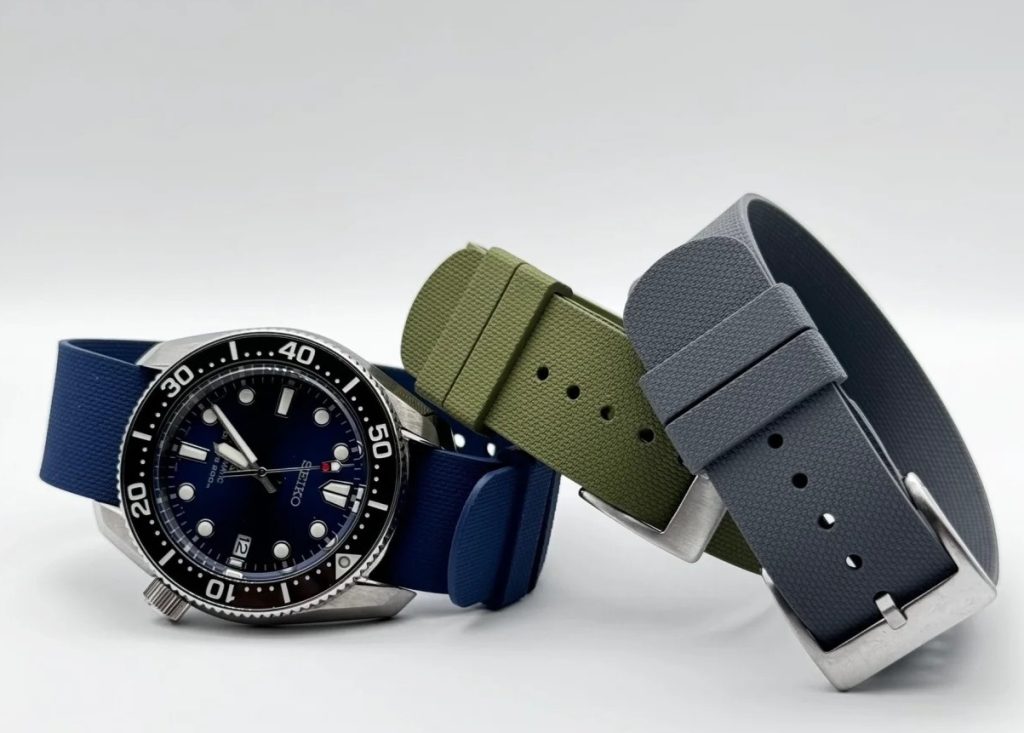
Another material gaining popularity is rubber. A Rubber Nato Strap is designed with water resistance in mind from the start. Rubber is inherently waterproof, meaning it doesn’t absorb water at all. This makes it an excellent choice for activities involving constant or prolonged contact with water, such as swimming, surfing, or diving. Unlike nylon, which dries quickly after getting wet, rubber stays unaffected even when submerged for long periods.

How Different Types of NATO Straps Perform in Water
Let’s break down specific types. The Best Nato Straps often prioritize durability and functionality, including water resistance. Many top-rated options stick to high-quality nylon. These straps handle rain, sweat, and even brief swims without issues. For instance, a 20mm Nato Strap made from thick, woven nylon can withstand splashes from a shower or a dip in a pool, though it’s not designed for deep-sea diving.
On the other hand, the Cheapest Nato Straps might use thinner or lower-grade nylon. While they still repel water better than leather, their construction may not hold up as well over repeated exposure. The stitching could weaken, or the material might fray faster when wet.
So, affordability sometimes comes at the cost of long-term water resistance.
Rubber Nato Straps, meanwhile, excel in wet conditions. Their waterproof nature means they won’t degrade from water exposure. They also offer good grip, which is useful for keeping your watch secure during water-based activities. However, they can feel less breathable than nylon, which might make them less comfortable in hot, dry weather.
A Note on Premium Options: Omega Nato Strap
Brands like Omega offer their own take on NATO straps. The Omega Nato Strap is known for high-quality materials, often using durable nylon. This means it’s designed to be water-resistant, fitting well with Omega’s diving watches. However, even with premium options, it’s important to remember that “water-resistant” doesn’t mean “indestructible.” Prolonged submersion or exposure to harsh chemicals can still damage any strap over time. Some premium lines also offer Rubber Nato Straps, combining the brand’s quality with the material’s superior waterproofing.
Conclusion: Are NATO Straps Waterproof?
In short, most nylon NATO Watch Straps are water-resistant, handling everyday moisture like rain or sweat with ease. They’re a great choice for active lifestyles. Rubber Nato Straps take it a step further, being fully waterproof and ideal for heavy water use. However, leather variants lack this feature, and cheaper nylon straps may not last as long under repeated water exposure. For the best performance, opt for well-made options like the Best Nato Straps, the Omega Nato Strap, or a high-quality Rubber Nato Strap, and treat them with care to maintain their water resistance.