

For centuries, watches have been recording time, and time has also recorded the history of watches.Watch straps have been an integral part of the evolution of watches, from a mere functional necessity to a powerful fashion statement. Today, we explore the pivotal innovations that reshaped wristwear forever.
From Pocket to Wrist: The Birth of the Modern Strap
Early wristwatches adapted pocket watch designs. Initially, they used fragile leather cords or metal chains. However, World War I demanded practicality. Soldiers needed hands-free timekeeping. Thus, durable leather straps with buckle closures emerged. This shift cemented the wristwatch’s dominance. Soon, 20mm leather watch strap designs became standard for dress watches.

Steel Revolution: Durability Meets Industrial Chic
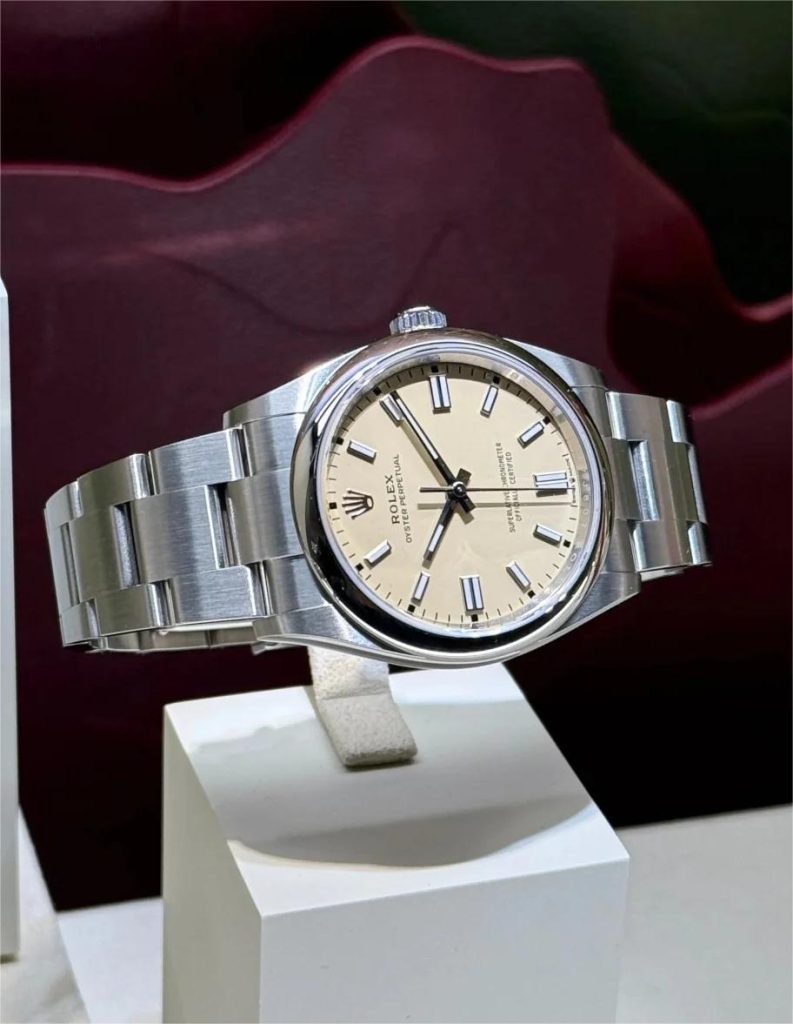
Post-WWII, stainless steel changed everything. First, brands like Rolex introduced the Oyster bracelet. Its robust links offered water resistance and toughness. Consequently, the steel band became iconic for tool watches. Innovations like steel watch strap adjustment via micro-links or diver extensions ensured perfect fit. Today, options like 22mm stainless steel watch straps or 20mm stainless steel watch strap models blend strength with elegance.
NATO & Canvas: The Military Game-Changer
British MoD engineers solved a critical problem in the 1970s. They created the NATO strap. This single-pass nylon design prevented loss if a spring bar failed. Moreover, its lightweight, breathable fabric suited harsh conditions. Suddenly, NATO strap watches offered versatility and safety. Brands like Panerai later adopted rugged Panerai canvas strap options, reinforcing military heritage.

Specialization & Customization: The Modern Era
Watch straps exploded into diverse watch strap types. Key developments include:
- Rubber Straps: Ideal for divers; e.g.
- Quick-Release Systems: Simplified how to replace watch strap
- Size Standardization: Sizing a watch strap (e.g., 16mm, 21mm, 24mm) became precise
Conclusion: Straps as Storytellers
Watch straps evolved from practicality to artistry. Each breakthrough—steel, NATO, quick-release—redefined our relationship with time. Today, your strap choice expresses individuality. Whether you choose a wrist watch steel strap or supple leather, it’s part of horology’s living history.
Celebrate every era of strap innovation. Discover your next evolution at RoyalWatchStrap.com—where heritage meets modern craftsmanship.